Best Ski Resorts in Europe: How to Choose the Right Destination
There is a reason the question “what are the best ski resorts in Europe?” produces so many different answers.
A serious skier is looking for something very different from a family travelling with young children. A couple may care more about restaurants, wellness and atmosphere than the number of kilometres of pistes. A group of friends may want challenging terrain during the day and a lively après-ski scene afterwards. And for a mixed group, the best resort may be the one that keeps everyone happy even when half the party decides not to ski.
This is where most ski-resort rankings fall short. They tell you which destinations are famous. They do not necessarily tell you which destination is right for your holiday.
For a luxury ski escape, the decision becomes even more specific. The resort matters, but so does the exact location of your chalet, the distance to the right lift, the quality of the surrounding village, the level of service and what there is to do when you are not skiing.
So if you are comparing the best ski resorts in Europe, start with the question that matters more than any ranking:
What kind of winter holiday are you actually trying to create?
The Best Ski Resort in Europe Depends on What You Want From It
France may be the better choice for a group that wants vast interconnected ski terrain and an exceptional selection of luxury chalets. Switzerland may win for someone who wants iconic scenery, sophisticated villages and a more refined Alpine atmosphere. Austria can be the natural choice for travellers who want skiing to come with serious après-ski and traditional mountain culture. Italy brings spectacular scenery, excellent food and a different pace to the classic ski holiday.
All four can be excellent. They are simply excellent for different reasons. That distinction is worth making before you start looking at accommodation.
A resort should be judged on more than its piste map. Consider the skiing, altitude, snow conditions, village character, dining, wellness, accessibility, family facilities and the experience available away from the mountain.
Then consider the chalet. That is where a good ski holiday can become an exceptional one.
What Should You Look For When Choosing a Ski Resort?
The largest ski area is not automatically the best. The highest village is not automatically the best. And the most famous resort is not automatically the best place for your group.
There are several questions worth answering before you commit.
1. How good is the skiing for your level?
A destination should offer the right terrain for the people travelling. Beginners need accessible learning areas and good ski schools. Intermediate skiers often benefit from a broad choice of well-connected pistes. Advanced skiers may prioritise steep terrain, freeride opportunities, high-altitude skiing and long descents.
2. How reliable are the snow conditions?
Altitude, orientation, terrain and snowmaking all matter, particularly if you are travelling early or late in the season. No ski resort can promise perfect natural snow for every week of winter. A more sensible approach is to look at the destination's altitude and infrastructure alongside your travel dates.
3. What is the village like?
You will spend considerably more time in the village than you might expect. Breakfast, lunch, après-ski, dinner, shopping, spa appointments, transfers, evenings around the fire. A resort with an excellent mountain but very little appeal after the lifts close may not be the right choice for a luxury holiday.
4. What can non-skiers do?
This becomes critical for families, couples and larger groups. Look for restaurants, wellness, shopping, winter walking, cultural experiences and other activities that make the destination enjoyable without skis.
5. Where will you stay?
This may be the most important question of all. A chalet that looks close to the ski area on a map may still be inconvenient if it is far from the lift your group actually needs. The difference between five minutes and twenty minutes every morning becomes very noticeable by day four.
France: The Strongest Choice for Scale and Luxury Chalet Living
If your definition of the best ski resort in Europe starts with the size and variety of the ski area, France deserves serious attention.
The French Alps contain some of Europe's largest interconnected ski domains, with Les 3 Vallées at the centre of the conversation. The area links Courchevel, Méribel, Val Thorens, Les Menuires, Saint-Martin-de-Belleville, La Tania, Orelle and Brides-les-Bains, with more than 600 kilometres of pistes. France Montagnes describes it as the world's largest interconnected ski area.
That scale changes the holiday. Experienced skiers can spend days exploring without feeling confined to the same slopes. Families can choose easier terrain while more advanced members of the group head higher into the mountains. And everyone can return to a different village for lunch or après-ski.
Courchevel
Courchevel is the obvious French choice when luxury is part of the brief. Its appeal extends beyond skiing. The resort combines access to Les 3 Vallées with high-end accommodation, fine dining, boutiques, wellness and a strong international reputation. It also offers different experiences within the same destination.
Courchevel 1850 is associated with the highest level of luxury and prime ski access. Lower villages can offer a quieter atmosphere and, in some cases, a different balance between convenience and value. That makes the exact chalet location important. Courchevel itself describes the destination as offering accommodation with ski access across its villages and a range of activities for skiers and non-skiers.
Méribel
Méribel is a particularly strong choice for travellers who want access to the enormous Three Valleys ski domain while retaining a more traditional Alpine village atmosphere. It can work well for mixed groups because the skiing is extensive, while the village provides restaurants, bars and other activities away from the pistes.
Val d'Isère
Val d'Isère is better suited to travellers who place a strong emphasis on skiing but still expect a sophisticated resort experience. Its combination of challenging terrain, high-altitude skiing, village atmosphere and après-ski makes it particularly attractive to experienced skiers and groups of friends.
Chamonix
Chamonix is a different proposition again. The valley is famous for its dramatic mountain landscape and historic Alpine identity, and the skiing experience is spread across several sectors rather than functioning as one enormous interconnected domain. For travellers who want the mountains to dominate the experience, it remains one of Europe's most distinctive winter destinations.
Choose France if you want: extensive interconnected skiing, a deep luxury chalet market, exceptional dining and the ability to combine serious mountain time with polished Alpine living.
Switzerland: For Scenery, Prestige and a More Distinctive Alpine Experience
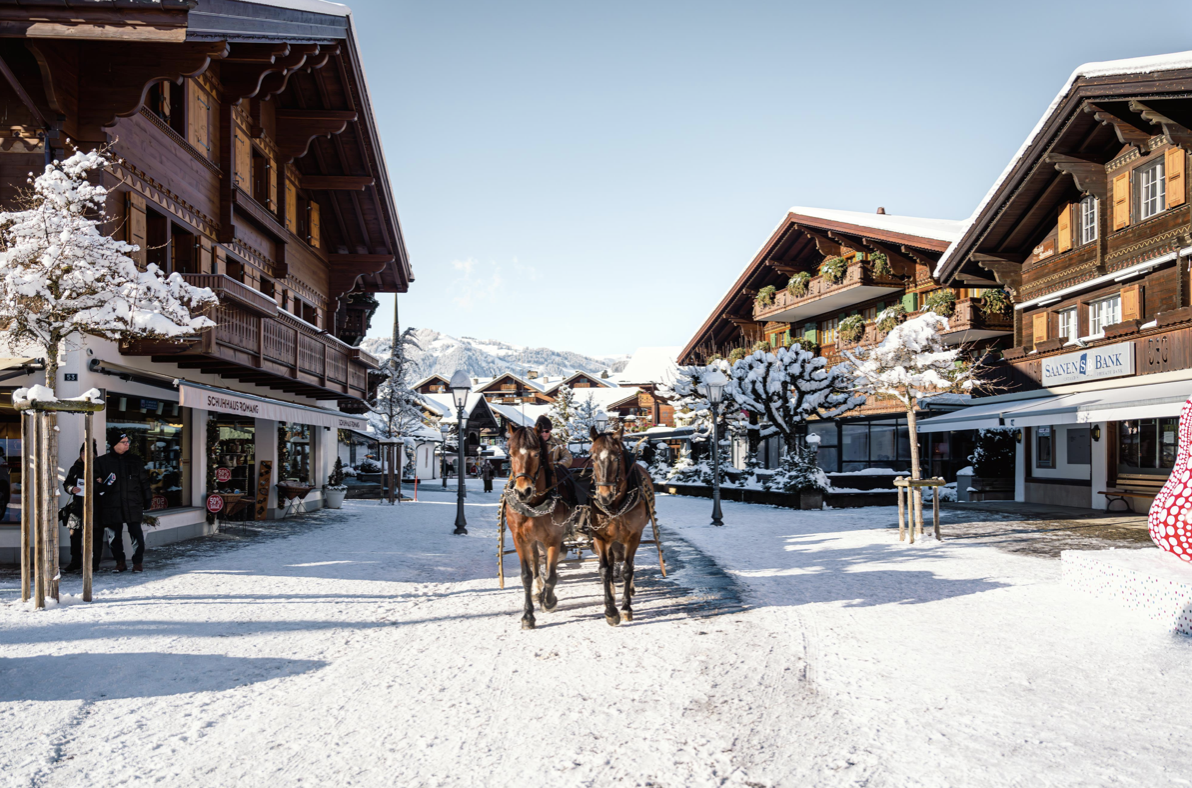
Switzerland competes with France on skiing, but its strongest advantage is often the feeling of the destination itself. The country's leading ski resorts have identities that are immediately recognisable. Zermatt has the Matterhorn. Verbier has the 4 Vallées and a famously international, energetic atmosphere. St. Moritz has its long association with luxury, winter sports and high-end hospitality. Gstaad offers another interpretation of Alpine exclusivity, with a more discreet and village-focused atmosphere.
Zermatt
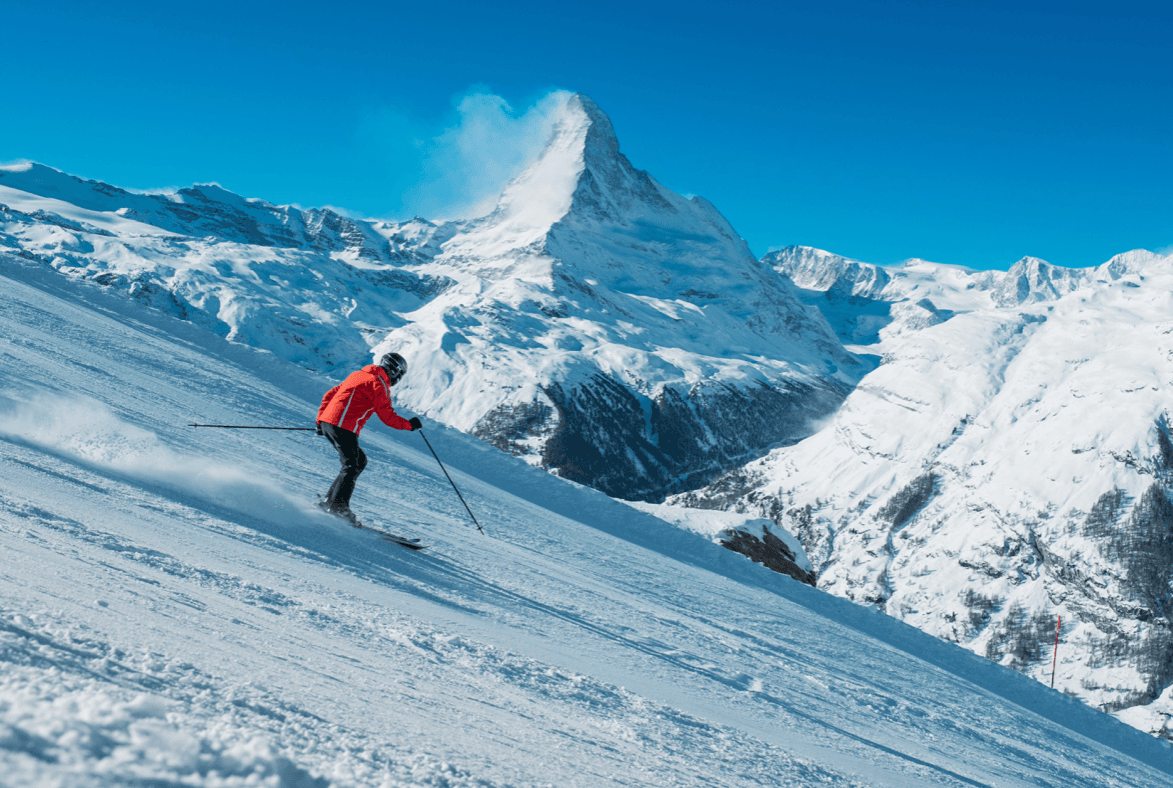
Zermatt is difficult to confuse with anywhere else. The Matterhorn dominates the landscape, the village is car-free and the destination works particularly well for travellers who want scenery to be part of the experience rather than simply something viewed from the ski lift. For non-skiers, this matters.
The village itself becomes part of the holiday, with restaurants, cafés, wellness and mountain experiences providing reasons to enjoy the destination even without skiing all day.
Verbier
Verbier is the stronger choice for travellers who want skiing and social life in equal measure. Switzerland Tourism highlights the destination's access to the 4 Vallées, including Mont Fort at 3,330 metres, alongside its restaurants, shops, cafés and wellness experiences.
That combination explains much of Verbier's appeal. It is a serious skiing destination, but the holiday does not end when the lifts close. For large groups, the private chalet experience can be particularly compelling. A substantial chalet allows everyone to stay together, while dedicated staff, wellness facilities and private dining can make the property itself a major part of the trip.
Choose Switzerland if you want: iconic scenery, sophisticated villages, high-end hospitality and a luxury ski holiday where the destination feels as important as the skiing.
Austria: The Choice for Skiing With Atmosphere
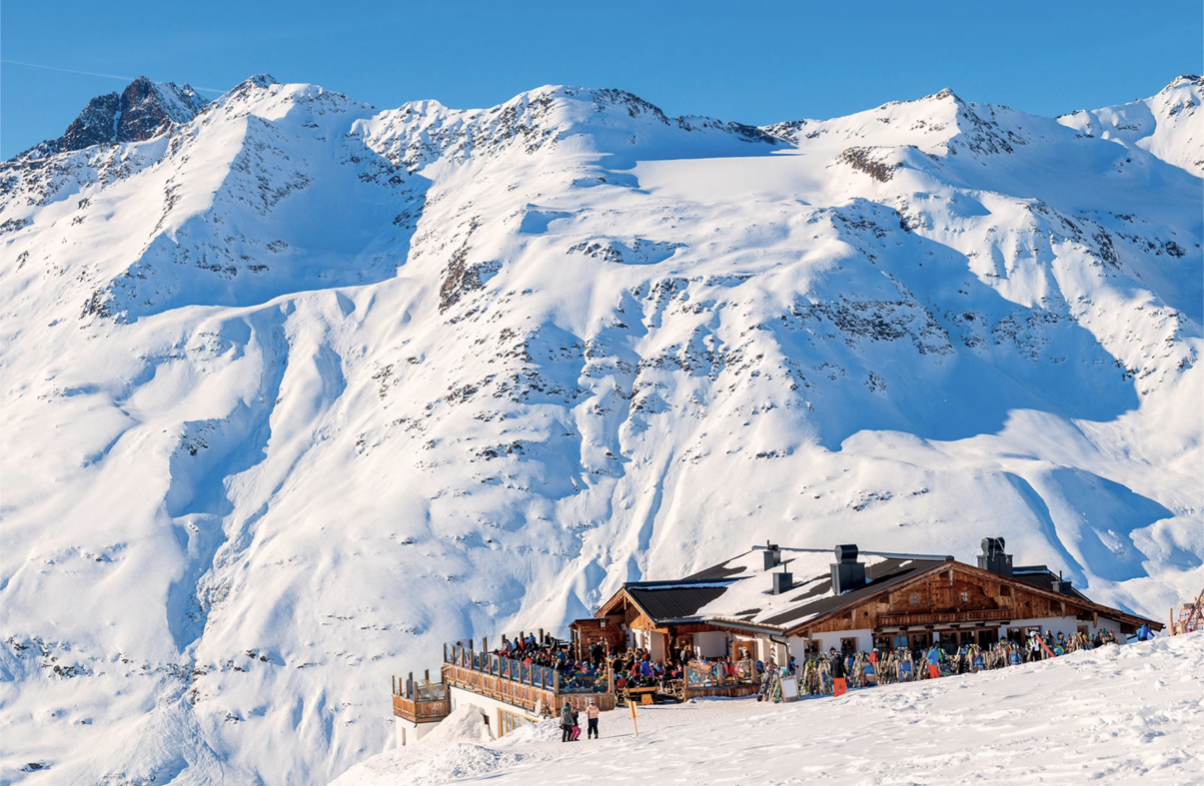
Austria has an advantage that is difficult to quantify on a piste map. It knows how to make skiing social. Mountain huts, traditional villages, après-ski, local food and a strong ski culture are woven into the experience. Ski Arlberg is one of the clearest examples. It connects St. Anton, Lech-Zürs, Warth-Schröcken and other Arlberg villages into Austria's largest interconnected ski area, with around 300 kilometres of pistes, 85 lifts and more than 200 kilometres of off-piste terrain.
But again, the individual villages matter.
St. Anton
St. Anton is a natural choice for experienced skiers and groups of friends who want demanding terrain and a lively atmosphere. Austria's tourism board describes it as the cradle of modern Alpine skiing, combining extensive skiing with hospitality, fine dining and activities beyond the pistes.
Lech and Zürs
Lech and Zürs provide a more refined interpretation of the Arlberg experience. They are particularly attractive for travellers who want access to excellent skiing without making après-ski the central feature of the holiday.
Austria therefore works especially well when the group wants skiing to feel like a complete social experience rather than a purely sporting one.
Choose Austria if you want: strong skiing, traditional Alpine character, lively après-ski and a destination with a genuine winter culture.
Italy: When Food and Scenery Matter as Much as the Slopes
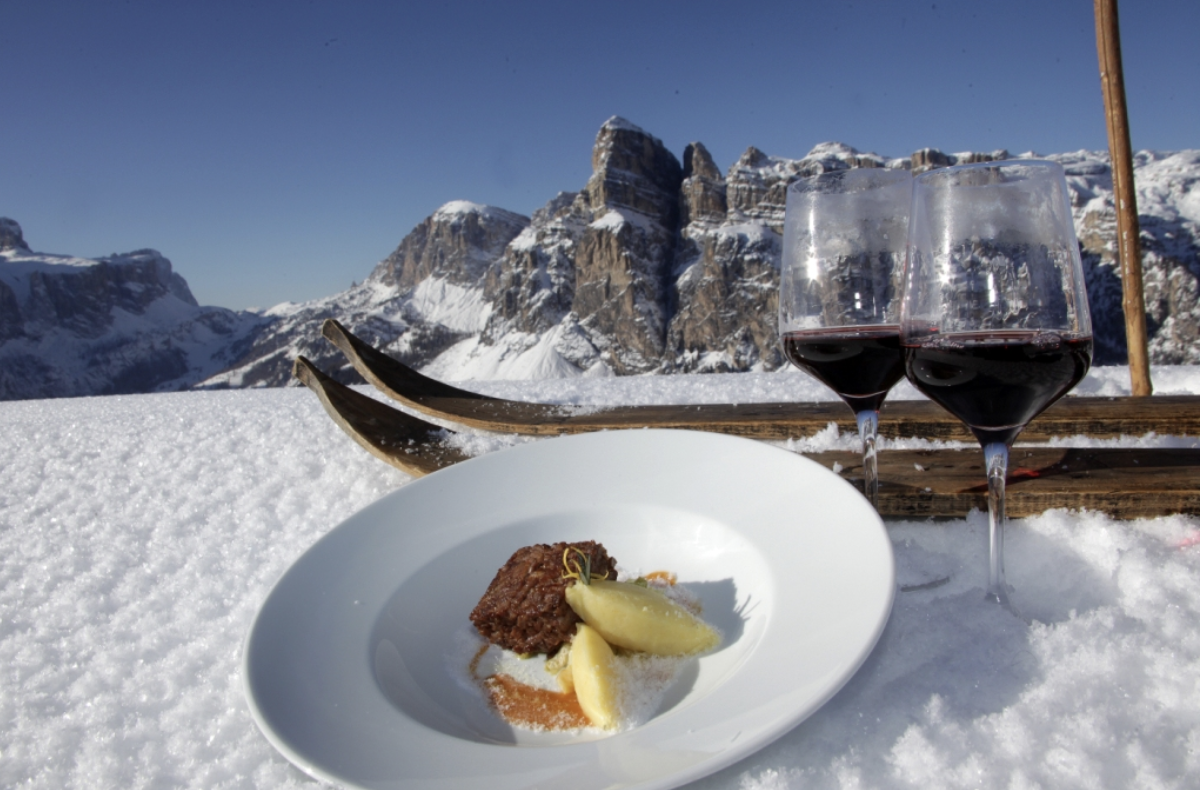
Italy changes the rhythm of a ski holiday. The Dolomites provide some of the most recognisable mountain scenery in Europe, but food and village life are equally important to the experience. Dolomiti Superski brings together 12 ski areas, around 1,200 kilometres of pistes and 450 lifts under one ski-pass network.
That gives serious skiers plenty to explore. But Italy is particularly interesting for mixed groups because skiing does not have to dominate every conversation.
Cortina d'Ampezzo
Cortina is the obvious luxury name in the Dolomites. Italy's official tourism portal describes it as an exclusive international destination and highlights its combination of skiing, scenery, winter activities and village life. Its local ski area includes 120 kilometres of pistes, with terrain ranging from gentler slopes to more demanding descents. For a traveller choosing a luxury winter holiday rather than simply a ski trip, that distinction is important.
Choose Italy if you want: spectacular scenery, exceptional food, elegant villages and a more relaxed version of Alpine luxury.
Which European Ski Resorts Are Best for Families?
Families should not choose a resort by piste kilometres alone. The real test is how easy the destination makes the entire day.
Where is the ski school?
How far is the nursery slope?
Can children reach the lifts without a complicated transfer?
Is there somewhere to go when they are tired?
Can grandparents or non-skiing parents enjoy the destination?
And, perhaps most importantly, can everyone return to the chalet easily?
A family-friendly ski resort should reduce friction. The same principle applies to the chalet. A property with a children's room, flexible sleeping arrangements, a ski room, heated boot storage and comfortable communal spaces can make a much bigger difference than another hundred kilometres of pistes that the family will never use.
For families, convenience should be measured from the bedroom to the ski school, not from the resort boundary to the ski area.
Which Ski Resorts Are Best for Beginners?
Beginners need a different type of luxury. They need simplicity. A good beginner destination has accessible nursery slopes, professional ski schools, easy lift connections and a chalet location that does not turn every morning into a logistical exercise.
This is also why the phrase “ski-in/ski-out” needs to be treated carefully. A chalet can be described as close to the slopes while still being inconvenient for a first-time skier.
Ask:
- Which piste does the chalet connect to?
- Where does the ski school meet?
- How far is the beginner area?
- Can a beginner return directly to the property?
- Is transport available if conditions make the route difficult?
Those answers are more useful than a generic claim that the chalet is “near the slopes”.
Which European Ski Resorts Are Best for Experienced Skiers?
Experienced skiers usually have different priorities. They want variety, and challenging terrain. They want long descents, reliable lift networks and the ability to explore without spending half the day getting from one sector to another.
This is where destinations such as Les 3 Vallées, Verbier and Ski Arlberg become particularly compelling. Les 3 Vallées offers more than 600 kilometres of connected pistes. Verbier provides access to the high-altitude terrain of the 4 Vallées, including Mont Fort at 3,330 metres. Ski Arlberg combines 300 kilometres of pistes with more than 200 kilometres of off-piste terrain.
But experienced skiers should still ask one practical question before booking:
Where will I be when the lifts open?
A superb ski area loses some of its appeal if the chalet requires a long transfer every morning.
What Are the Best Ski Resorts in Europe for Non-Skiers?
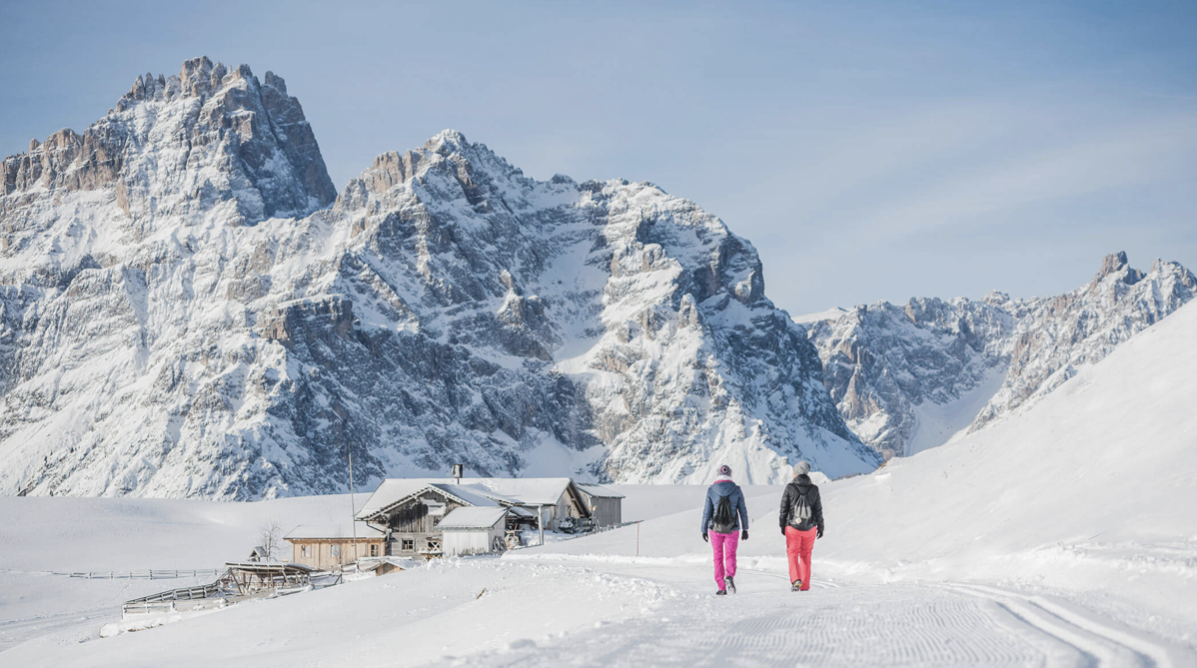
This is where luxury ski travel has changed. Not everyone wants to ski from 9am until 4pm. Some guests want a spa morning. Others want to shop, walk, dine, read beside the fire or simply enjoy the mountains from a terrace. The best resorts for non-skiers therefore have a strong identity away from the pistes.
Courchevel offers restaurants, boutiques, wellness and luxury hospitality.
Zermatt offers scenery, village life and the Matterhorn.
Verbier combines restaurants, shopping, wellness and mountain experiences.
Cortina adds Italian dining and dramatic Dolomite scenery.
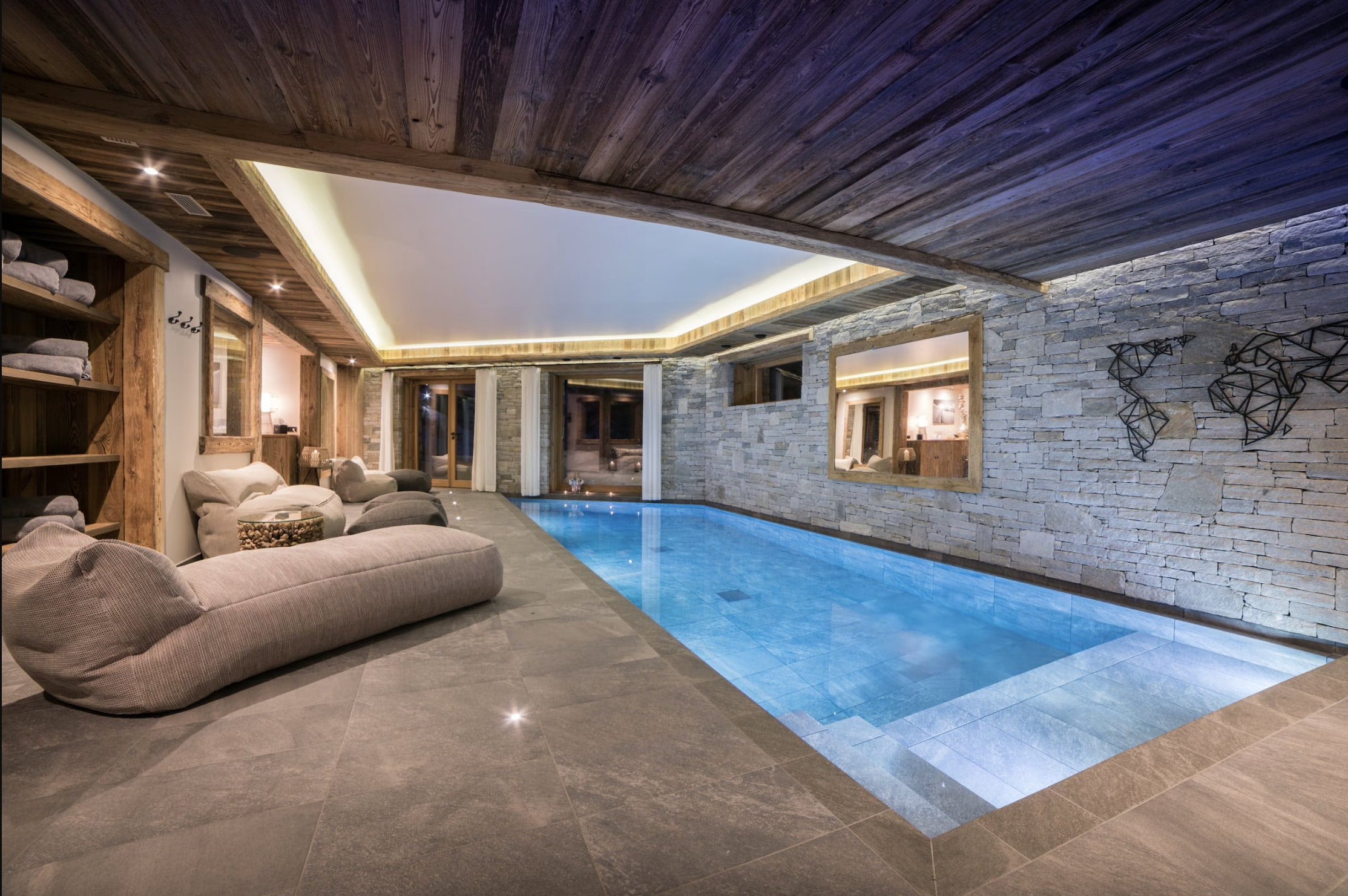
And the chalet itself can become an attraction. A private pool, hammam, sauna, cinema, games room, chef, fireplace or panoramic living space can give non-skiers a genuine holiday experience without requiring them to follow the skiers' schedule. For a multi-generational group, this can be the difference between everyone enjoying the same holiday and everyone simply sharing the same accommodation.
Why Chalet Location Matters More Than Most People Realise
There is a common mistake when planning a ski holiday. Travellers choose the destination first, then the chalet. For a luxury ski trip, it is often better to consider them together. A chalet in the village centre may be perfect for a group that wants restaurants, bars and shops outside the front door.
A ski-in/ski-out property may be the obvious choice for serious skiers. A secluded chalet with a private chauffeur may be preferable for a large family that values privacy and service over walking access. There is no universally correct answer. There is only the right answer for your group.
Before booking, establish exactly:
How far is the chalet from the nearest useful lift?
Is the route genuinely ski-in/ski-out?
Where is the ski school?
Can beginners use the access route?
How easy is it to return after a full day on the mountain?
Is chauffeur service available?
How far are the restaurants and shops?
This is why browsing a curated collection of luxury ski chalets for rent is more useful when you already know what kind of location you want. The chalet should fit the holiday you are planning.
What Should You Ask Before Booking a Luxury Ski Chalet?
The photographs will tell you whether you like the chalet. The questions below will tell you whether it is actually right for you.
Is it genuinely ski-in/ski-out?
Ask for the precise piste connection rather than relying on the label.
Which lift is closest?
The nearest lift is not always the most useful lift for your group.
Where is the ski school?
This is particularly important for families and beginners.
Is transport included?
A private driver can make a remote chalet exceptionally convenient.
What services are included?
Check whether the stay includes housekeeping, chef service, concierge, chauffeur or other staff.
What is the chalet like after skiing?
Look at the wellness facilities, living areas, cinema, pool, sauna and dining spaces.
Does it work for a mixed group?
Think about children, non-skiers, older guests and guests with different sleeping preferences.
What is within walking distance?
Restaurants, shops, bars and ski services can significantly affect how convenient the holiday feels.
How does the property handle equipment?
A proper ski room, boot warmers and storage can sound like small details until you return from the mountain with wet equipment.
What happens if your plans change?
Ask about flexibility, concierge support and assistance with local arrangements. These are not glamorous questions. They are the questions that prevent an expensive holiday from becoming unnecessarily complicated.
France or Switzerland? Austria or Italy?
If you are still deciding between countries, reduce the choice to the experience you want.
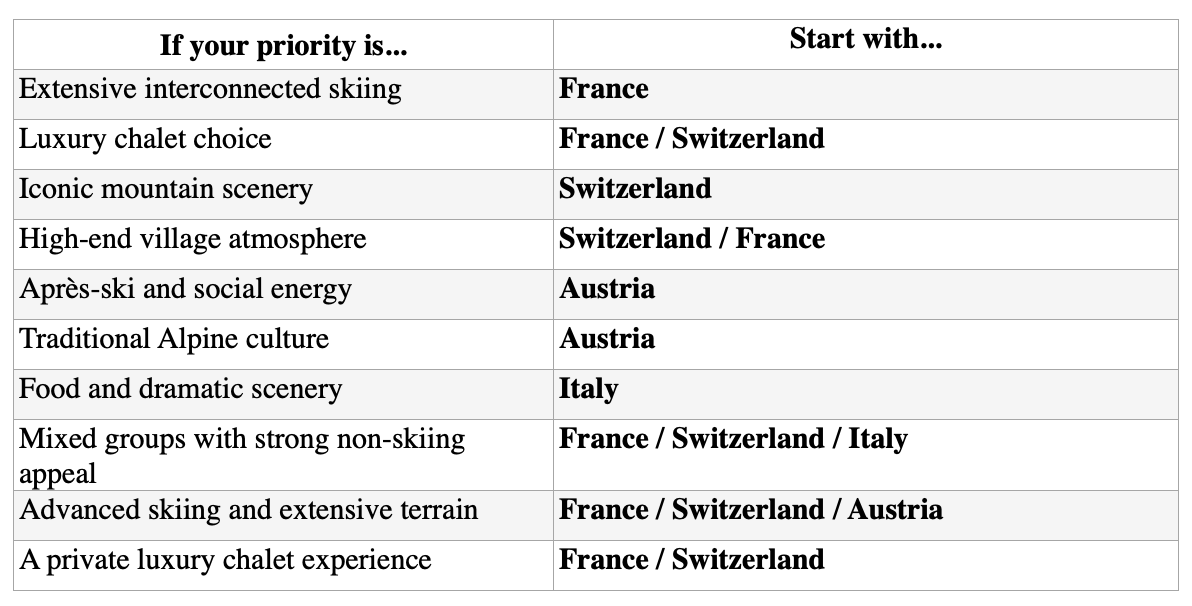
The table is useful as a starting point. The final decision should still come down to the individual resort and, more importantly, the exact location of the chalet.
The Best Ski Resort Is the One That Fits the Whole Holiday
The phrase “best ski resorts in Europe” makes it sound as though there should be one obvious winner. There is not. If you want the greatest combination of extensive skiing and luxury chalet living, France is difficult to beat. If the scenery, village character and prestige of the destination are central to the experience, Switzerland deserves a place at the top of the list. If you want skiing with energy, tradition and après-ski, Austria makes a compelling case. If you want spectacular mountains, exceptional food and a slower Alpine rhythm, Italy may be exactly what you are looking for.
But the country is only the beginning. The real decision is more specific.
Who is travelling?
How much do they actually want to ski?
What level are they?
What will the non-skiers do?
How important is ski-in/ski-out access?
Would your group prefer a village-centre chalet or complete privacy?
What level of service do you expect?
Answer those questions first and the shortlist becomes much clearer. Then choose the chalet around the holiday, rather than trying to make the holiday work around the chalet. For travellers looking for a private Alpine escape, explore the Unique Stays luxury ski chalet collection and start with the destination, location and level of service that best fit your group.
Because the best ski holiday in Europe is rarely about finding the destination everyone else calls number one. It is about finding the place where the mountain, chalet, service, village and people travelling with you all make sense together.